
Ads in Google AI and ChatGPT Are Here. Now What?
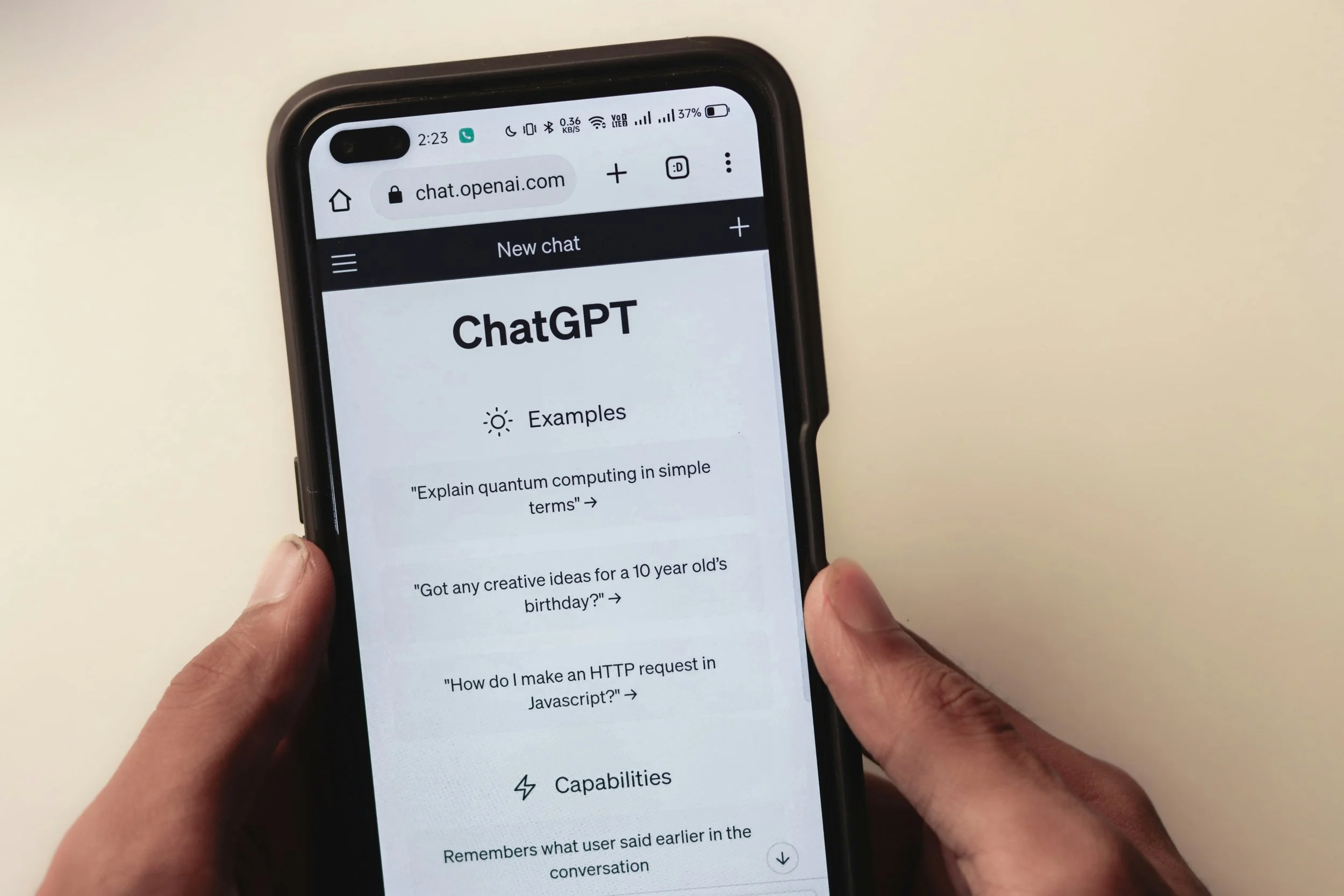
Ads are starting to show up in places that, until recently, felt more like AI experiments than paid media channels. Google has begun bringing existing Search, Shopping, and Performance Max ads into AI Overviews and AI Mode, and OpenAI has opened a beta self-serve Ads Manager for ChatGPT with CPC bidding and measurement tools. The details are still evolving, but the direction is clear enough for advertisers to pay attention. AI-assisted search and chatbot experiences are officially part of the media conversation.
For brands, this does not mean traditional paid search suddenly becomes old news. Google Search is still one of the clearest signals of commercial intent in digital advertising, and for many advertisers, it remains a primary driver of revenue, leads, and new customers. The new question is how much consumer behavior will move into AI-generated answers and conversational research before someone ever clicks an ad, visits a site, calls a business, or fills out a form.
We are still early in that learning curve. The right response is neither panic nor dismissal. Advertisers should understand where these placements are appearing, what they may be able to influence, and how to test them without confusing novelty for performance.
Why This Matters For Paid Media
For years, paid search has been built around a familiar behavior. A person types a query, scans the results, clicks an ad or organic listing, and decides whether the landing page answers the need. The paid media work around that journey has been refined over decades, from keyword structure and match types to automated bidding, product feeds, audience signals, and conversion tracking.
AI search changes the shape of that journey. A person can now ask for a recommendation, add context, compare options, and refine the answer in the same interface. Someone researching running shoes might specify foot shape, injury concerns, budget, and preferred terrain. A homeowner might ask which HVAC provider can handle an emergency repair and what a fair price should look like. A business buyer might ask which software platform fits their company size, budget, integrations, and internal resources.
Those moments matter because they influence the consideration set. If an AI answer helps narrow the options before a user visits a website, the brand’s opportunity to earn attention may happen earlier and in a different format than a traditional search results page. Paid media teams need to start thinking about how ads fit into that environment, while still holding those ads accountable to the same business standards as any other channel.
Google’s AI Ads Are An Extension Of Search
Google has the natural advantage in this space because advertisers are already using its ecosystem. According to Google’s help documentation, Text and Shopping ads from existing Search, Shopping, and Performance Max campaigns are eligible to show in AI Overviews and AI Mode, with restrictions for sensitive categories such as healthcare, finance, politics, alcohol, gambling, and others. Google also says both the user’s query and the content of the AI Overview can be considered when serving these ads.
For advertisers, the upside is straightforward. Brands may be able to appear in AI-powered search experiences without building an entirely separate campaign structure. The same feeds, landing pages, conversion data, and campaign systems already powering Google Ads can potentially support visibility in newer AI placements.
The caution is just as important. Eligibility does not automatically equal strategic value. If AI Overview visibility depends on broader campaign structures, automation, or Performance Max expansion, some advertisers may feel pressure to loosen controls simply to access the new inventory. That may make sense for a retailer with strong product feeds, broad demand, healthy margins, and reliable conversion data. It may be riskier for a niche B2B advertiser, a local service provider with limited capacity, or a lead generation program where low-quality inquiries create real operational cost.
The media plan still needs to reflect the business. A campaign that already performs well with broad match, Shopping, or Performance Max may gain useful incremental exposure through AI-powered placements. A campaign that has struggled with those formats should not assume AI inventory will solve the underlying issue. Visibility matters only when it supports efficient demand, stronger leads, profitable orders, or measurable influence on the customer journey.
ChatGPT Ads Are A Different Kind Of Test
OpenAI’s advertising opportunity starts from a different place. ChatGPT is not a traditional search results page. People use it to ask for help, compare options, brainstorm, plan, summarize, troubleshoot, and make decisions. Advertising inside that kind of environment has to be handled carefully because the user relationship is built around usefulness and trust.
OpenAI has said its beta self-serve Ads Manager includes CPC bidding, enhanced measurement tools, and privacy protections designed to keep conversations separate from ads. The company has also framed the platform as something that will continue to evolve with new formats, objectives, and capabilities over time.
For advertisers, the appeal is easy to understand. A sponsored placement inside ChatGPT could reach someone while they are actively comparing products, researching a service, or asking for help with a decision. That can be a valuable moment if the ad is relevant and the user is close enough to action.
The open question is how users will respond. People are used to ads in Google Search. They may be less forgiving if ads inside a chatbot feel intrusive, unclear, or too closely tied to the answer itself. Clear labeling and separation from the organic response will matter. So will the quality of the ad experience. If the placement feels useful, it may become a meaningful new channel. If it feels like a disruption, adoption could be slower.
For now, advertisers should treat ChatGPT ads as a learning opportunity rather than a mature performance channel. Benchmarks will be thin. Reporting will evolve. Formats will change. A click from ChatGPT may behave differently from a click from Google because the user may have already asked qualifying questions before leaving the chat. Some users may arrive more informed and closer to a decision. Others may still be early in research mode.
Measurement Should Decide How Fast Brands Move
New media placements often create excitement before they create clean measurement. AI ads are likely to follow the same pattern. Early reporting may emphasize impressions, clicks, engagement, and assisted actions because those are the easiest signals to capture. Those metrics can help advertisers understand activity, but they do not prove business value on their own.
The risk is treating AI visibility like a trophy. A brand can appear inside an AI-generated answer and still fail to drive meaningful revenue. It can earn clicks that look efficient while attracting users who are researching rather than buying. It can show up in a new placement without improving lead quality, pipeline, repeat purchase behavior, or customer value.
Advertisers should define success before launching a test. Ecommerce brands may want to focus on contribution margin, new customer rate, average order value, product-level profitability, or repeat purchase behavior. Lead generation advertisers may need to evaluate qualified lead rate, sales acceptance, booked appointments, pipeline value, or closed revenue. Local service businesses may care more about call quality and capacity alignment than raw lead volume.
This is where media planning discipline matters. AI placements should have a clear budget, a clear learning agenda, and a reasonable measurement window. Teams should know what they are trying to learn before the test begins. Did the traffic behave differently from traditional paid search? Did users engage with deeper product or comparison content? Did lead quality improve? Did the channel appear to influence demand that would not have come through existing campaigns? Those answers will matter more than being first into every new ad unit.
What Brands Should Do Next
Brands do not need to overhaul their paid media strategy overnight. A smarter first step is making sure the core inputs are strong enough for AI-driven systems to understand the business. Product feeds should be accurate and complete. Landing pages should answer real customer questions. Conversion tracking should separate meaningful actions from low-quality signals. CRM feedback should inform optimization wherever possible, especially for advertisers that depend on lead quality rather than simple form volume.
Content also plays a larger role than many paid media teams expect. AI systems rely on signals around products, services, claims, reviews, reputation, and relevance. A brand with thin content, vague positioning, inconsistent product information, or weak proof points may struggle to appear credibly in AI-assisted discovery. Paid media can help amplify a strong position, but it cannot fully compensate for unclear messaging or poor data.
Testing should begin where the business case is easiest to read. A retailer might start with a product category that has healthy margins and clean feed data. A lead generation advertiser might test one service line with clear qualification criteria. A B2B brand might evaluate whether conversational discovery brings in better-fit prospects than traditional nonbrand search.
The broader takeaway is simple enough. Ads in Google AI and ChatGPT are early signs that the path from question to purchase is changing. Search is still valuable, and traditional paid media fundamentals still matter. The brands that benefit most will be the ones that stay curious, test carefully, and measure the channel against business outcomes rather than platform excitement.