
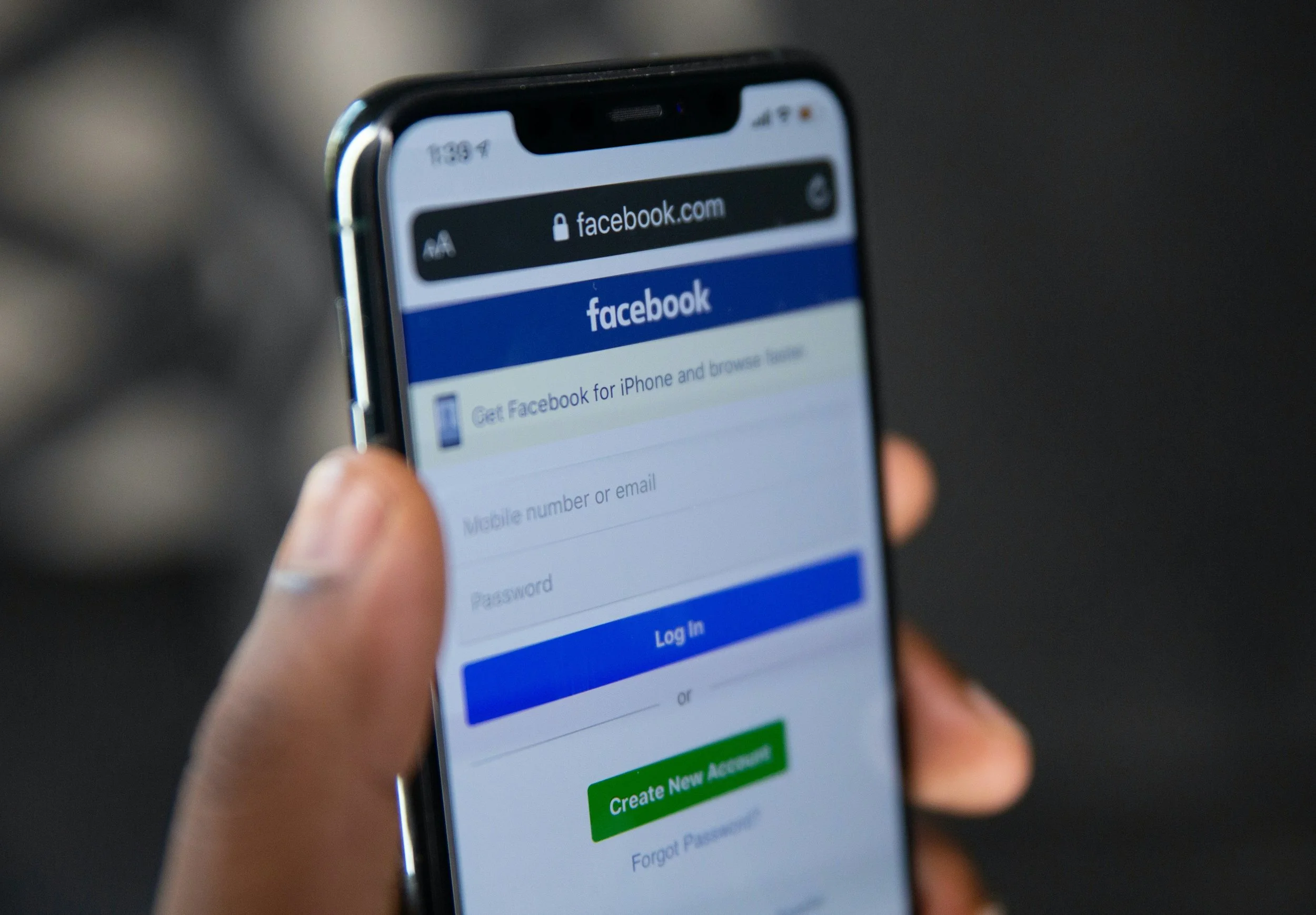
For about as long as brands have had Facebook Pages, one of the most basic functions has been remarkably simple: post something, include a link, and send interested followers back to your website. Meta is now putting a price on that behavior, or at least beginning to.
The company recently introduced Meta One, its new subscription offering for individuals, creators and businesses. Alongside that rollout, Meta has begun limiting the number of organic Facebook posts and comments containing links that some Pages can publish each month. For businesses accustomed to routinely sharing articles, events, promotions, product pages and other website content, the change is a significant one.
It caught our attention immediately because linking from organic Facebook posts has been such an ordinary part of social media strategy for so long that it barely felt like a feature. It was simply something Facebook Pages could do. For brands that have spent years treating Facebook as both a community channel and a source of referral traffic, the idea that outbound linking itself could become gated behind a subscription is a meaningful shift.
How Meta One’s Facebook Link Limits Work
Meta One includes several business subscription levels, with additional publishing, analytics, verification, support and AI features unlocked as the price increases. Meta says plans and features can vary by account, app and region, and the rollout is gradual.
For Facebook Pages currently subject to the new link restrictions, Pages without a qualifying subscription can publish links in only two organic posts or comments per month. The entry-level Essential plan starts at $14.99 per month but maintains that same two-link allowance. Advanced starts at $49.99 and raises the allowance to eight. Expert, at roughly $149 per month, allows 20, while the Max tier at roughly $499 per month provides unlimited link posting.
The restriction applies to links posted by the Page in either the original post or a comment, so simply moving the URL into the comments does not necessarily provide a workaround. Unused allowances also do not roll over, while ads and certain links within Meta’s own ecosystem are among the exceptions.
One important qualification is that the limit has not reached every Facebook Page. Meta itself indicates that restrictions may not apply to all Pages, and the rollout remains inconsistent. Some businesses are already encountering the limit while others continue posting exactly as they always have.
We fall into the latter camp so far. We have yet to encounter the restriction across the Pages we manage, but enough businesses have received the new limits that brands should understand what is happening before the notice eventually appears in their own account.
Why Would Facebook Charge Businesses to Post Links?
The cynical answer is probably the first one that occurs to most marketers: because they can. Meta occupies an enormously powerful position in digital advertising alongside Google, and both companies have repeatedly found new ways to monetize tools, inventory and access that advertisers increasingly depend on.
Businesses have spent years watching organic reach decline while paid media became a more reliable way to reach the audiences they once accumulated for free. Against that history, another “feed me, feed me” moment from a major advertising platform hardly comes out of nowhere.
Still, there is a business logic behind the decision that is worth acknowledging. Facebook is no longer simply the digital version of a community bulletin board where friends, families and local businesses post things for one another. Meta operates an enormous media and technology ecosystem built around keeping people engaged across Facebook, Instagram, WhatsApp, Messenger and its growing collection of AI products.
An outbound link works against that objective because it sends the user somewhere else. Every time a business publishes an organic post designed primarily to drive website traffic, Facebook provides the audience, distribution infrastructure and user attention while the business attempts to move that person into an environment Meta does not control.
Seen from that perspective, the company’s reasoning becomes easier to understand even if brands dislike the result. Meta has spent years turning its platforms into self-contained media environments, and unlimited free outbound distribution does not fit particularly neatly into that model anymore.
Social Media Has Already Been Moving Away From Links
Meta One also fits into a much broader change in how social platforms think about content. Social media was once built heavily around sharing things from elsewhere on the internet, with Facebook often serving as a distribution layer for news stories, company articles, videos and other content hosted off-platform.
Modern platforms increasingly want to be the destination themselves. Short-form video, native images, carousels, Stories, Reels, creator content and algorithmic recommendations all encourage users to consume content without leaving the platform. TikTok accelerated that model dramatically, and Meta has spent years adapting Facebook and Instagram around similar discovery behavior.
For businesses, the practical lesson has already been emerging for some time. Organic social content designed mainly as a vehicle for distributing website links is becoming less aligned with what these platforms want people to do, and the new link limits make that reality much harder to ignore.
Organic Social May Need a Different Job
For brands affected by the restriction, the immediate temptation will be to figure out how to preserve the old strategy. Which posts deserve one of the free links? Can another format get around the limit? Is the Advanced subscription worth $49.99 per month?
Those are reasonable questions, but they sit underneath a broader issue about what organic social is supposed to accomplish. For years, brands have often treated organic social as a catch-all distribution channel. Publish an article, put it on Facebook. Launch a new service page, share the link. Announce an event, link to registration. Release a report, link again.
If Facebook begins charging for that behavior, businesses may need to separate organic social from website traffic generation more deliberately. Organic content can still build familiarity, demonstrate expertise, showcase work, communicate personality, reinforce positioning and keep a brand visible among customers and prospects, all without requiring someone to leave Facebook.
Traffic and conversions, meanwhile, may increasingly belong in the paid media column. From a media planning perspective, that distinction is not necessarily a bad one because organic Facebook has never offered advertisers the same targeting, optimization, measurement or scalability available through a properly structured paid campaign.
If the real business objective is getting qualified people to visit a website and take an action, advertising was already the more controllable tool. Meta may simply be forcing businesses to rethink how much responsibility they have historically assigned to organic social.
Should Businesses Pay for Meta One?
There probably will not be one answer for every brand. A small local business posting a few times per week and receiving minimal referral traffic from organic Facebook has little reason to spend hundreds of dollars each month merely to preserve unlimited links.
In that case, the smarter response may be to reserve the available links for the most important content and adjust the rest of the organic strategy around native content. A publisher, membership organization, event company or other business that regularly generates meaningful website traffic through its Facebook audience could reach a different conclusion.
At the Max tier, approximately $499 per month sounds substantial when viewed as a social media subscription. Viewed as media spend, however, the math becomes more interesting because many advertisers already spend far more than that each month trying to generate website traffic through paid campaigns.
A brand already driving thousands of valuable website sessions from organic Facebook each month may decide that preserving unlimited linking is worth several hundred dollars. The decision should come down to actual business value rather than outrage at the principle of paying.
Look at how much referral traffic Facebook currently generates, what those visitors do once they reach the website and whether they convert, subscribe, register, buy or otherwise create measurable value. Then compare that value against the subscription cost. For some brands, paying may make perfect sense, while for many others it probably will not.
The Bigger Shift Is What Facebook Now Considers Free
The most interesting part of Meta One may have little to do with whether a particular business chooses the $49, $149 or $499 option. The more consequential change is what Meta now appears willing to classify as a premium business capability.
An outbound link is beginning to move from a basic publishing function toward something Meta considers worth charging for. That tells marketers quite a bit about where social platforms are heading, especially when brands have built large audiences on infrastructure they do not actually own.
Features can change, algorithms can change, organic reach can decline, and a capability that has existed for years can suddenly acquire a monthly price tag. Developments like this are another reminder of why websites, email databases, first-party data and other owned channels remain so important to the long-term health of a marketing strategy.
For now, we are watching the rollout rather than making wholesale changes. The restriction has not appeared across the accounts we manage, Meta says availability varies, and the specifics could continue evolving as Meta One expands.
If it does become the standard, brands will have to decide whether to pay Meta for more outbound links, become considerably more selective about which links deserve organic distribution, or reposition organic Facebook primarily as an awareness and engagement channel. None of those options makes Facebook irrelevant, but they do change the role it plays within the broader media mix.
For many businesses, the practical takeaway may end up being fairly simple. If Meta increasingly wants to charge brands for the privilege of driving traffic off-platform, marketers should take a hard look at whether that money is better spent on a subscription or on an actual ad campaign where they have more control over targeting, delivery, optimization and results.