
When Ad Performance Fluctuations are Normal and When to Act
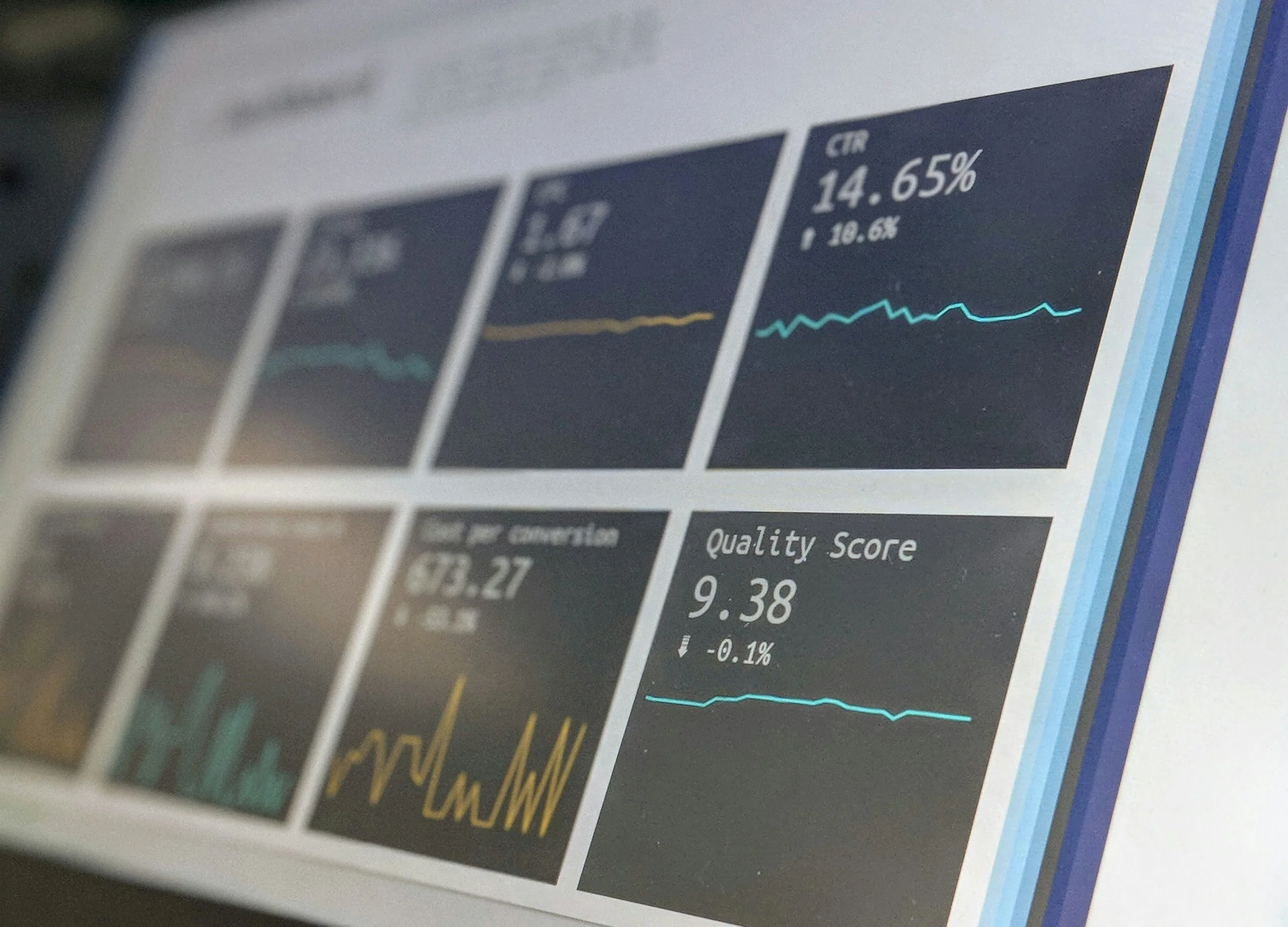
Every evergreen campaign will eventually have a month that looks weaker than the one before it. Click-through rate may fall, cost per click may rise, website engagement may soften, or conversions may come in below the previous period. Clients are right to ask what happened, especially when the change affects leads, sales, or revenue.
A decline does not automatically mean the campaign is broken, though. Digital advertising operates in a live marketplace shaped by consumer demand, competition, seasonality, platform behavior, and ordinary statistical variation. Some changes require action. Others are part of the natural movement every campaign experiences over time.
Performance Does Not Move in a Straight Line
No campaign improves every week, every month, or every quarter. Even a well-managed program with stable budgets, proven creative, reliable tracking, and a consistent audience will experience periods of stronger and weaker performance.
Some causes are easy to identify. Creative may have lost its impact after too much exposure. An audience may be approaching saturation. New competitors may be entering the auction and raising media costs. A landing-page update, tracking issue, budget change, or bidding adjustment may also explain a noticeable difference.
Other periods offer no single answer. The campaign structure remains sound, the website is functioning properly, and no meaningful account changes have occurred. Demand may simply be softer, the available users may be less responsive, or a higher share of potential customers may be delaying decisions.
Agencies should investigate before attributing a decline to normal variation. Once the major risks have been reviewed, however, forcing an explanation can lead to unnecessary changes and weaker decision-making. Sometimes the most accurate answer is that the campaign is moving through a normal soft period.
Not Every Metric Change Carries the Same Weight
Minor fluctuations in CTR, CPC, and CPM deserve attention, but they do not always justify immediate concern. A modest increase in CPC may have little practical consequence when conversion volume, cost per acquisition, and lead quality remain stable. A lower CTR may also be acceptable when the ads are attracting fewer low-intent users and producing stronger business outcomes.
The relationship among metrics usually tells a more useful story than any individual number. Rising CPM with a stable conversion rate may point to increased auction competition rather than a campaign problem. Falling CTR alongside higher frequency may indicate creative fatigue. Stable ad engagement followed by weaker website behavior may direct attention toward the landing page or the quality of incoming traffic.
Changes in qualified leads, purchases, appointments, revenue, or customer acquisition cost deserve closer scrutiny. Business outcomes fluctuate as well, particularly for advertisers with lower volume or longer sales cycles, but a decline that the client can see in its own operations carries more weight than a small change in an intermediary ad metric.
Media teams should still use those intermediary metrics to help diagnose the cause. The mistake comes from treating every red percentage in a report as evidence that something must be rebuilt.
Month-Over-Month Comparisons Need Context
Month-over-month reporting is useful because it shows recent movement, but two calendar months are rarely identical. They may contain different numbers of days, different combinations of weekdays and weekends, changing holidays, promotional periods, weather patterns, and consumer buying cycles.
A campaign can generate fewer total conversions in a shorter month while maintaining nearly identical daily performance. One period may also contain more high-performing business days, a seasonal event, or an unusually strong promotional window. Comparing totals without accounting for those differences can make a normal result appear more alarming than it is.
Year-over-year and quarter-over-quarter comparisons provide valuable context. A campaign may perform below the previous month while remaining well ahead of the same period last year. A soft four-week stretch may also sit within a quarter that remains on pace to meet its broader goals.
Seasonality extends far beyond major retail holidays. Higher education, healthcare, home services, travel, financial products, legal services, and business-to-business campaigns all experience periods when interest naturally rises or falls. Historical account data often provides the strongest benchmark because it reflects the advertiser’s actual market, audience, offer, and sales cycle.
Investigation Should Come Before Optimization
A noticeable decline should prompt a structured review before it prompts major campaign changes. The agency should examine tracking, budget pacing, delivery, competitive pressure, audience frequency, creative performance, landing-page behavior, conversion lag, and any recent account updates.
Client-side information is equally important. Pricing changes, inventory limitations, staffing issues, slower lead follow-up, sales promotions, or changes in customer demand can influence performance without appearing inside an advertising platform. An agency may see stable lead volume while the client sees weaker lead quality, or the media dashboard may appear soft while the sales team reports stronger close rates.
Clear evidence should lead to action. Broken tracking, disapproved ads, a sustained decline in qualified conversions, a sharp change in landing-page performance, or obvious creative fatigue all require a response. Smaller fluctuations may call for continued monitoring rather than immediate intervention.
Repeatedly changing budgets, bids, audiences, and creative after every disappointing week can create more instability. Automated delivery systems need enough time and data to adjust, and constant revisions make it difficult to determine whether performance was recovering or reacting to the latest change.
Preparedness Matters More Than Perfect Consistency
The best agencies prepare for both genuine problems and ordinary volatility. They maintain campaign change logs, understand historical seasonal patterns, monitor business outcomes alongside media metrics, refresh creative before fatigue becomes severe, and establish reasonable thresholds for when action is warranted.
Strong client relationships make the diagnosis more accurate. Agencies understand platform delivery, auction conditions, targeting, and creative performance. Clients understand sales quality, customer behavior, operational changes, and the financial impact of the results. Combining those perspectives helps both sides reach better conclusions.
Not everything affecting performance sits within an agency’s control, and no responsible media partner should pretend otherwise. Consistent monitoring, open communication, and a prepared response plan give advertisers the confidence to act quickly when a real problem appears and the discipline to avoid disrupting a healthy campaign during a normal period of fluctuation.