
Radio Reach Is Real, Even When the Results Are Harder to See
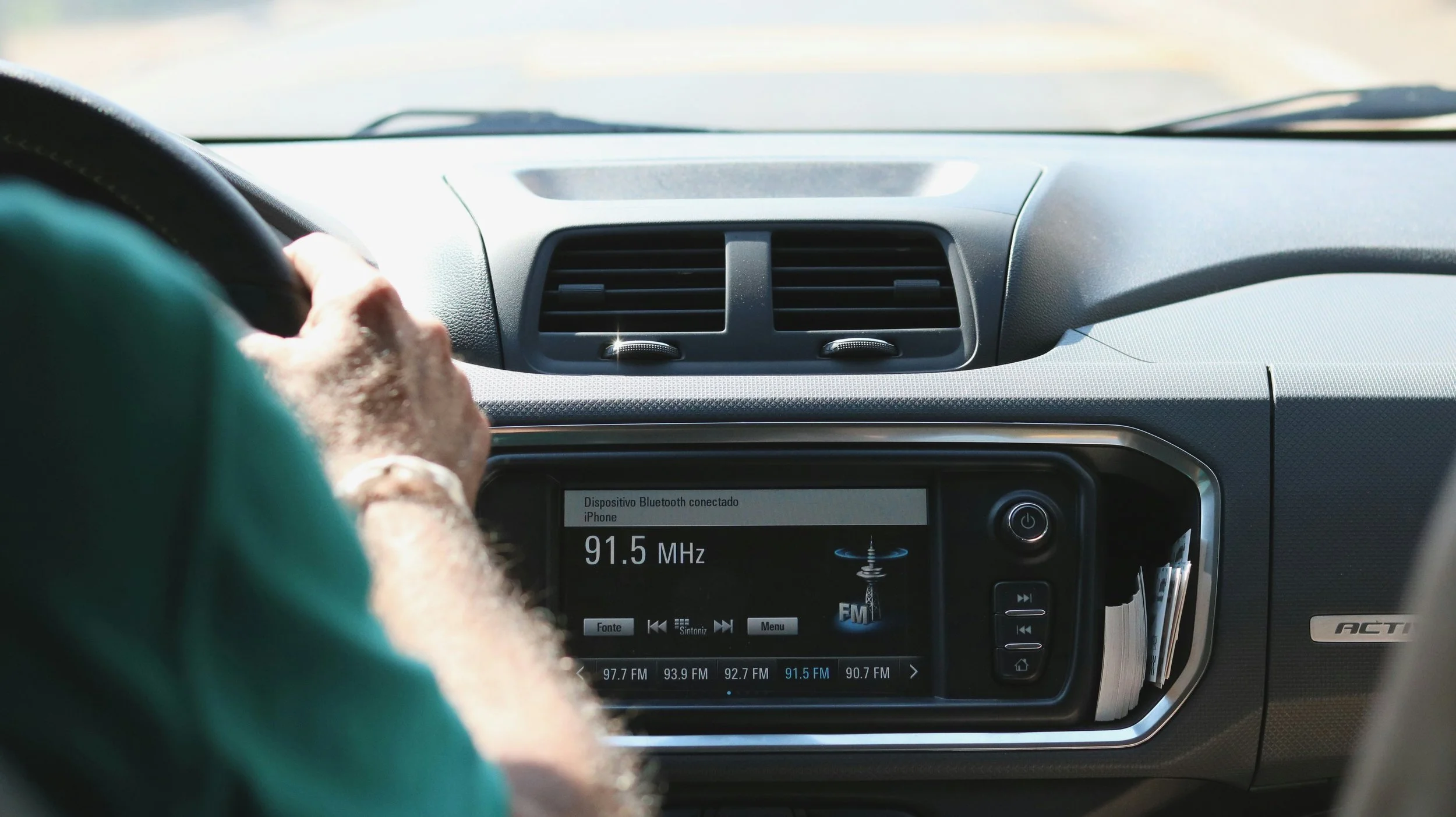
Radio has a measurement problem, but it does not have a reach problem. The distinction matters because modern marketing has become so accustomed to dashboards, click paths, conversion tags, and attribution reports that media without an obvious digital trail can appear less effective than it actually is.
AM/FM radio remains a significant part of the ad-supported audio landscape. Nielsen’s latest listening data shows radio continuing to command the largest share of ad-supported audio time in the U.S., even as podcasts, streaming audio, and other listening options have multiplied. The medium is particularly relevant for advertisers trying to establish meaningful presence within a local market, where broad reach and repeated exposure can still create a level of familiarity that is difficult to reproduce by collecting impressions one narrowly targeted audience at a time.
The harder part is proving exactly what happened after somebody heard the ad.
Digital Attribution Changed Our Expectations
Digital media trained an entire generation of marketers to expect an immediate trail from advertising exposure to action. A person sees an ad, clicks it, arrives on a website, completes a form or purchase, and appears in a dashboard as a conversion. The sequence feels wonderfully concrete.
Reality is rarely so neat. Digital platforms routinely take credit for conversions based on the attribution rules built into their own reporting systems, even when several other media exposures helped create the demand. A branded search conversion may have followed weeks of radio, television, out-of-home, social, or word-of-mouth exposure. The paid search click is easy to see, so it often receives more credit than the media that created the reason to search in the first place.
Radio sits on the opposite side of the problem. Its influence can be substantial while its direct attribution trail is comparatively weak. Someone hears a spot during the morning commute, remembers the company later, searches the brand that evening, and converts through Google. Unless the measurement approach was designed to identify radio’s contribution, the digital channel may receive essentially all of the credit.
Easy measurement and meaningful impact are not always the same thing.
Radio Reach Is Still Real
Predictions of radio’s death have been circulating for years, yet people continue to listen. Cars still exist. People still commute, run errands, work in offices, drive for their jobs, and spend time with local personalities, news, sports, music, weather, and community programming.
Radio also operates differently from many digital audio environments. Ad-supported listening is part of the experience rather than an optional tier consumers can always pay to remove. Listeners are familiar with commercial breaks, which gives advertisers an established place within the programming rather than requiring them to interrupt an environment that users expected to be ad-free.
Local radio adds another advantage. Stations often have established personalities, community relationships, event involvement, and geographic concentration that can make the advertising feel closer to the market being served. A regional home-services company, healthcare provider, university, dealership, law firm, financial institution, or retailer may find tremendous value in becoming a familiar name among a broad portion of the people who actually live within its service area.
Reach alone is not sufficient, of course. Radio works through the combination of reach, frequency, message quality, and enough time for familiarity to build. A handful of scattered spots rarely creates the same effect as a thoughtfully planned schedule designed to expose a meaningful portion of the target audience repeatedly.
Radio Creative Has to Earn Attention
Strong radio advertising does something digital creative sometimes forgets to do. It communicates an idea without assuming the audience is looking at the ad.
The message needs to work through sound, repetition, language, personality, and memory. An effective spot usually gives the listener one clear idea to retain rather than cramming every product benefit, phone number, URL, disclaimer, and promotion into thirty seconds.
Frequency makes creative quality even more important. A strong line, memorable voice, distinctive sonic cue, or clear offer can become more effective with repetition. Weak creative becomes irritating just as quickly.
Radio also benefits when advertisers resist trying to turn every spot into a direct-response mechanism. Vanity URLs, special phone numbers, and promo codes can provide useful signals in the right campaign, but forcing them into every execution can work against the medium. Most listeners are not going to pull over, write down a web address, and immediately visit a landing page because the attribution team would like a cleaner dashboard.
The more natural goal is often awareness followed by action later. A listener remembers the company when the need arises, recognizes the brand in search results, responds to a digital ad with greater familiarity, visits a location, asks someone about the business, or converts after another media exposure.
Measurement Has to Match the Medium
Radio should absolutely be measured. The mistake is demanding that it behave like paid search before agreeing that it works.
Direct-response signals can still provide useful information. Advertisers can monitor branded search volume, direct website traffic, calls, store visits, form submissions, geographic differences, and changes in overall acquisition while a campaign is running. Radio attribution providers have also developed methods that connect broadcast exposure with website and location activity, giving advertisers more options than they had historically.
The strongest evaluation often comes from testing incrementality rather than hunting for a perfect click path. An advertiser might introduce radio in selected markets while maintaining comparable markets without it. Another test may compare periods with radio support against periods where the digital media mix remains relatively constant without radio. Geographic holdouts, matched-market tests, pre-and-post analysis, and media mix modeling can help isolate whether broader business performance changes when radio enters the plan.
Patience becomes essential because brand-building media rarely produces its entire effect within a few days. Search activity may rise gradually. Direct traffic may strengthen. Conversion rates from existing digital campaigns may improve because more people recognize the advertiser when they encounter it online. Sales lift may emerge over several weeks rather than immediately after the first flight begins.
An advertiser that ends a radio campaign after two weeks because the vanity URL generated only a handful of visits may be measuring the wrong thing on the wrong timeline.
Radio and Digital Often Work Better Together
The radio versus digital debate has never been particularly useful. Most consumers do not organize their lives according to media planning channels. They hear a radio ad, search on Google, see a paid social ad, visit the website, get distracted, encounter the brand again, and finally convert.
Media plans should account for those overlaps. Radio can create awareness and familiarity, while paid search captures existing intent. Social and display can reinforce the message visually. Retargeting can reconnect with people who have already visited the site. Connected TV, online video, and other channels may expand reach further.
Strong radio investment can even improve the apparent performance of digital media because a larger share of the audience enters those digital interactions already knowing the advertiser. A branded search ad does not have to introduce the company from scratch when the prospect has heard its name repeatedly for the past month.
Attribution systems are rarely sophisticated enough to distribute credit perfectly across every exposure. Media planners therefore have to evaluate the entire system rather than simply rewarding whichever channel happens to record the final action.
Undermeasurement Can Lead to Underinvestment
Marketing departments understandably prefer channels that produce clean reports. Budgets are easier to defend when every dollar appears beside a measurable result, and digital platforms have built enormous businesses around providing exactly that sense of visibility.
A danger emerges when measurability becomes the primary criterion for media selection. Channels that are easy to attribute can become overvalued, while channels that create demand but leave a less obvious digital footprint become underfunded.
Radio is particularly vulnerable because its strongest contribution often occurs before direct response. It puts a name into the market, builds repetition, increases familiarity, and creates conditions that make later marketing activity work harder. Nielsen continues to find substantial radio listening within the ad-supported audio universe, reinforcing that the audience opportunity has not disappeared simply because the media industry’s attention has moved elsewhere.
None of this means every advertiser should be on radio. Geography, audience composition, budget, competitive conditions, creative resources, campaign duration, and business objectives all matter. A budget too small to create sufficient reach and frequency may be better concentrated elsewhere.
The right conclusion is more measured. Radio deserves to be evaluated according to what the medium is capable of doing, rather than penalized because it cannot reproduce the attribution mechanics of a digital click.
Patience Can Be a Media Advantage
Modern marketing rewards immediacy. Dashboards refresh constantly, campaigns can be changed in minutes, and clients can review yesterday’s performance before finishing their morning coffee. The ability to react quickly is valuable, but it can also create an expectation that every successful advertising investment should reveal its full impact almost immediately.
Radio asks for a different type of discipline. Build enough reach. Establish meaningful frequency. Give the creative time to become familiar. Measure changes across the market and the wider media mix, then look for evidence in business outcomes rather than expecting every listener to announce exactly which commercial influenced them.
The medium is no longer the unquestioned centerpiece of advertising that it was in an earlier era, nor does it need to be. Digital media transformed the landscape permanently. Radio has simply remained useful alongside it, particularly when advertisers need broad local awareness and enough repetition to become a recognizable name.
Recognition of radio’s results may always trail recognition of its reach because attribution is inherently harder. Media planners who are willing to measure incrementality, examine the wider customer journey, and give campaigns sufficient time can still find considerable value in a medium that many advertisers have been too quick to dismiss.